
The Power of Green Building: Sustainable Design in Architecture
 Emily Jackson
Green building has emerged as a transformative force in architecture, reshaping the way we think about construction and sustainability. As the need for eco-conscious solutions intensifies, sustainable design is becoming a cornerstone of modern architecture, blending innovation, efficiency, and environmental responsibility. This article explores the principles and practices of green building that are revolutionizing the architectural landscape.
Principles of Green Building
At the heart of green building is a commitment to reducing the environmental impact of construction and operation. Key principles include energy efficiency, resource conservation, and waste reduction. These objectives are achieved by integrating advanced technologies, sustainable materials, and innovative design strategies.
Green building also prioritizes the health and well-being of occupants by ensuring proper ventilation, natural lighting, and the use of non-toxic materials. This holistic approach not only addresses environmental concerns but also enhances the quality of life for those who inhabit these spaces.
Energy Efficiency in Architecture
Energy efficiency is a fundamental aspect of sustainable design. Architects employ passive design techniques, such as optimizing building orientation, using natural ventilation, and incorporating thermal insulation, to minimize energy consumption.
Solar panels, energy-efficient lighting, and smart energy management systems further enhance a building’s performance. Net-zero energy buildings, which generate as much energy as they consume, exemplify the pinnacle of energy-efficient design and serve as a model for future developments.
Innovative Use of Sustainable Materials
The selection of materials is critical in green building. Recycled and renewable materials, such as reclaimed wood, bamboo, and recycled steel, are commonly used to reduce the carbon footprint of construction.
Innovations like self-healing concrete and carbon-sequestering materials are pushing the boundaries of sustainable construction. These advancements not only reduce the environmental impact but also improve the durability and lifespan of buildings, aligning with the principles of long-term sustainability.
Water Conservation and Management
Sustainable architecture places a strong emphasis on water conservation. Rainwater harvesting systems, greywater recycling, and low-flow fixtures are integral components of green buildings.
These technologies ensure efficient water use while minimizing waste. In regions prone to water scarcity, green buildings play a crucial role in promoting sustainable water management practices and reducing dependence on external water sources.

The Role of Green Roofs and Living Walls
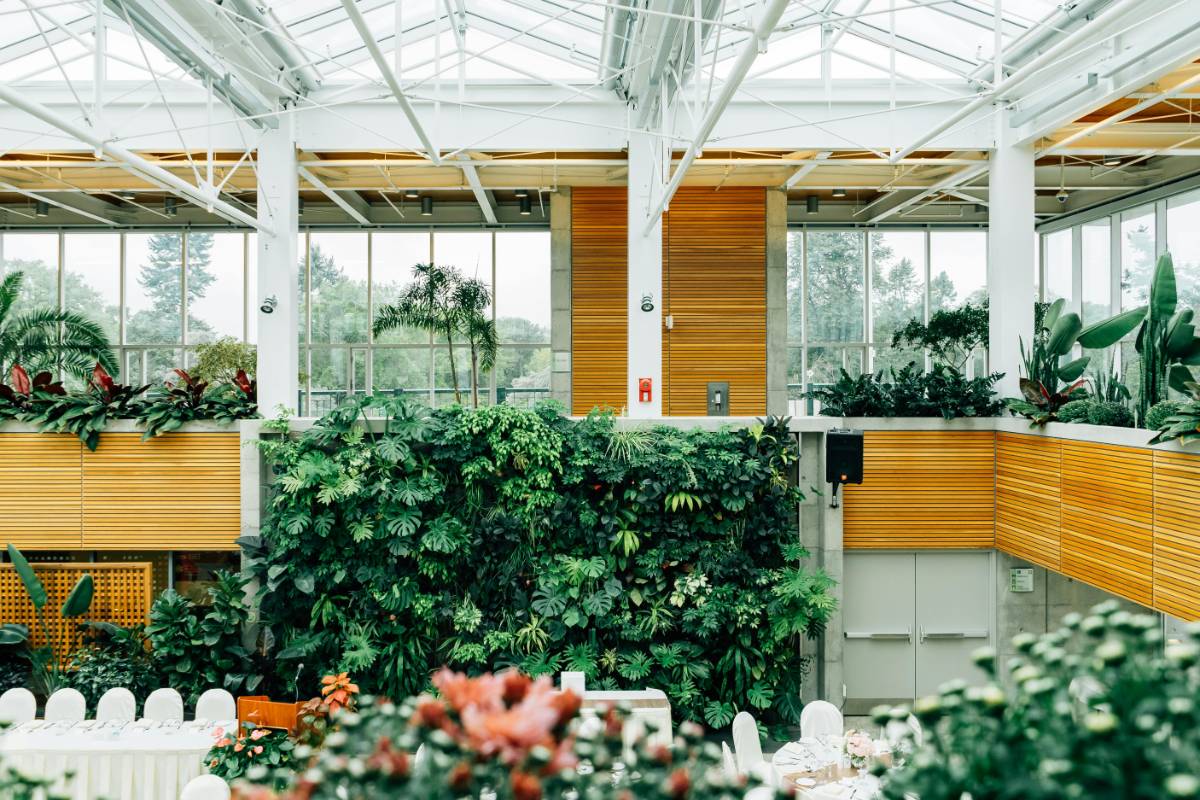
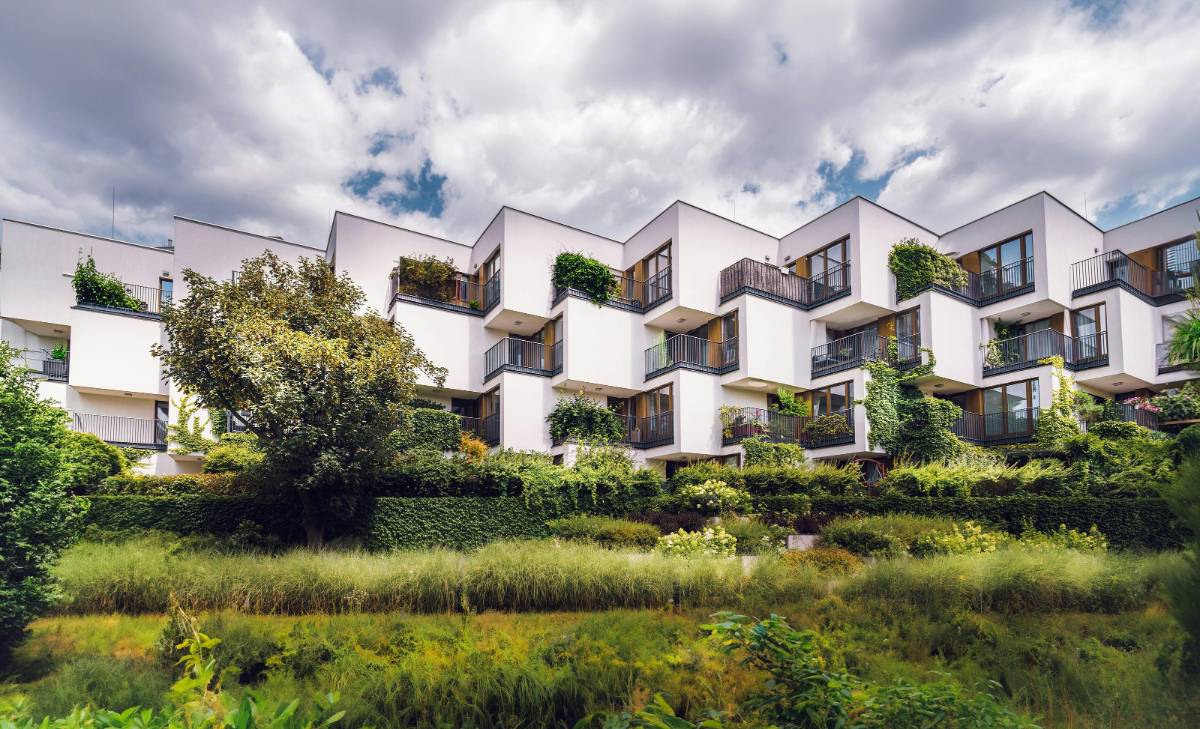
Green roofs and living walls are iconic features of sustainable architecture. These elements not only enhance the aesthetic appeal of buildings but also provide environmental benefits, such as improved air quality, temperature regulation, and stormwater management.
By incorporating vegetation into architectural designs, green roofs and living walls contribute to urban biodiversity and create a more harmonious relationship between built environments and nature.
Sustainable Urban Planning
Green building extends beyond individual structures to encompass sustainable urban planning. Architects and planners are designing cities that prioritize walkability, public transportation, and mixed-use developments to reduce reliance on cars and minimize urban sprawl.
The integration of green spaces, such as parks and community gardens, into urban landscapes further promotes environmental stewardship and enhances the quality of life for residents. Sustainable urban planning is essential for creating resilient and eco-friendly cities that can adapt to the challenges of climate change.
Economic and Social Benefits
Beyond environmental advantages, green building offers significant economic and social benefits. Energy-efficient designs lower utility costs, making sustainable buildings more cost-effective in the long term.
Green architecture also fosters healthier indoor environments, reducing the risk of respiratory issues and other health problems associated with traditional construction methods. This focus on occupant well-being underscores the social impact of sustainable design, emphasizing its role in creating equitable and inclusive spaces.
The Future of Green Architecture
As technology continues to advance, the possibilities for green architecture are expanding. Innovations such as 4D-printed buildings, renewable energy integration, and advanced building analytics are paving the way for even more sustainable and efficient designs.
Collaboration between architects, engineers, and environmental scientists is driving the evolution of green building, ensuring that sustainability remains at the forefront of architectural innovation. The adoption of green certification programs, such as LEED and BREEAM, is further incentivizing sustainable practices in the industry.
Conclusion
The power of green building lies in its ability to harmonize human needs with environmental responsibility. By embracing sustainable design principles, architects are not only addressing the urgent challenges of climate change but also creating spaces that inspire, innovate, and endure. Green architecture represents a future where beauty, functionality, and sustainability coexist, offering a vision of a better world for all.