

Sustainable Design in the Hospitality Industry: Eco-Friendly Hotels and Resorts
 Emily Jackson
The hospitality industry is rapidly evolving, and one of the most significant changes in recent years has been the growing emphasis on sustainability. From luxury resorts to budget-friendly hotels, eco-conscious design is becoming a priority for developers and operators alike. With the increasing awareness of environmental issues, sustainable design in hospitality has moved beyond just energy efficiency to include a broader commitment to conservation, waste reduction, and social responsibility. In this article, we explore how sustainable design is transforming the hospitality industry and reshaping the guest experience in eco-friendly hotels and resorts.
The Rise of Sustainable Hospitality
Sustainability has become an integral part of the hospitality industry, driven by both consumer demand and environmental necessity. With travelers becoming more environmentally conscious, many are now seeking accommodations that prioritize sustainability and offer eco-friendly amenities. This trend is also being driven by the growing availability of sustainable materials and technology, allowing the hospitality sector to adopt green building practices without compromising on comfort or luxury.
Hotel chains and resorts are now incorporating eco-friendly practices throughout their operations, from energy-efficient buildings and water-saving technologies to zero-waste initiatives. These efforts not only benefit the environment but also contribute to long-term cost savings, making sustainability a smart business decision for hotel owners and operators.
Energy-Efficient Design
One of the key elements of sustainable design in hospitality is energy efficiency. Hotels and resorts are increasingly adopting green building practices to reduce energy consumption and minimize their carbon footprints. This includes the use of energy-efficient lighting, heating, and cooling systems, as well as the installation of solar panels and other renewable energy sources.
Hotels are also investing in smart building technologies that allow them to monitor and control energy usage more effectively. These technologies can optimize energy use based on factors such as occupancy levels, weather conditions, and time of day. By using less energy, these establishments can significantly reduce their environmental impact while providing guests with a comfortable and energy-efficient experience.
Water Conservation and Management
Water conservation is another essential aspect of sustainable design in the hospitality industry. Hotels and resorts are adopting water-efficient fixtures, such as low-flow showerheads, faucets, and toilets, to reduce water usage in guest rooms and public areas. In addition, many establishments are implementing greywater recycling systems, which allow them to reuse water from sinks, showers, and laundry facilities for non-potable purposes like landscaping and irrigation.
Some hotels are also investing in rainwater harvesting systems, which collect and store rainwater for use in irrigation and other non-potable applications. By reducing the amount of fresh water consumed, these measures help hotels and resorts lower their environmental impact while supporting sustainable water practices in local communities.
Sustainable Building Materials
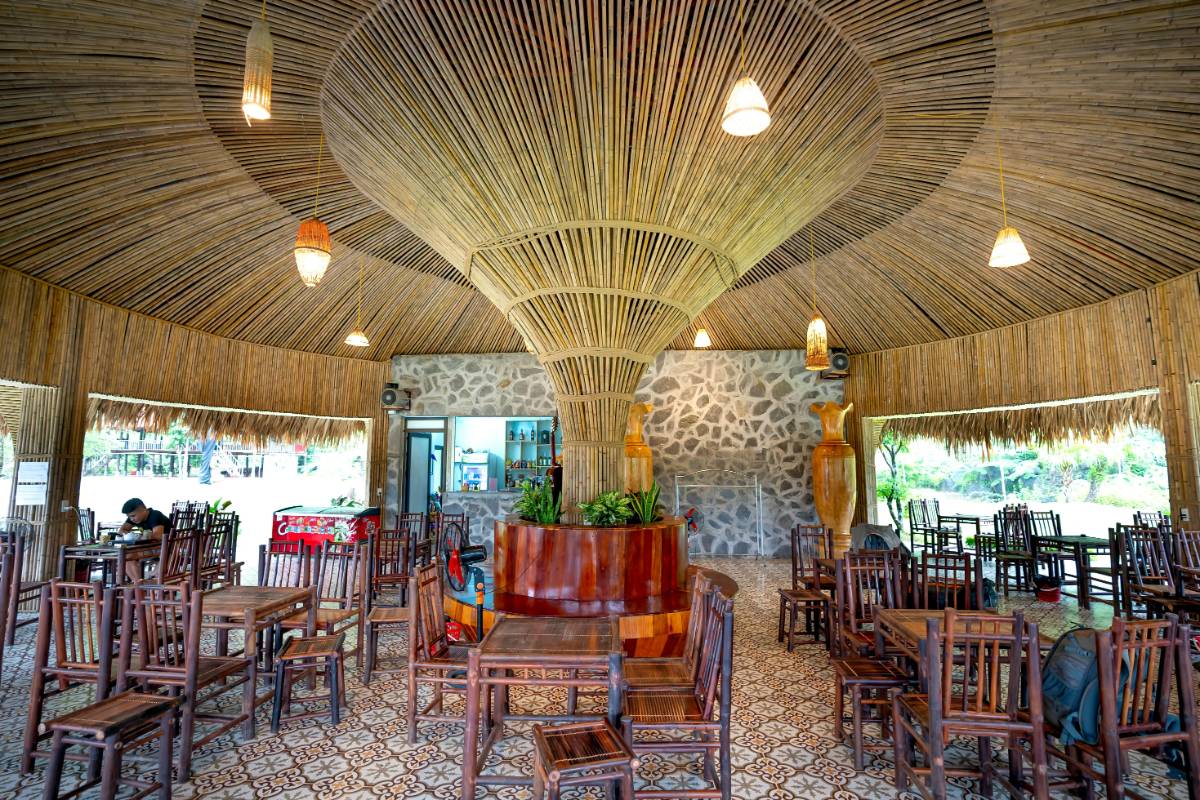
The use of sustainable building materials is another key element in eco-friendly hotel and resort design. Many hospitality developers are choosing materials that have a low environmental impact, such as recycled steel, bamboo, and reclaimed wood. These materials not only reduce the demand for new resources but also help to minimize waste and energy consumption during construction.
Hotels and resorts are also focusing on materials that enhance indoor air quality and comfort. Non-toxic paints, low-VOC flooring, and energy-efficient windows improve both the health of the building's occupants and the environment. By prioritizing sustainable materials, the hospitality industry is creating spaces that are both eco-friendly and conducive to the well-being of guests.
Waste Reduction and Recycling Programs
Sustainable design in the hospitality industry goes hand in hand with effective waste management. Eco-friendly hotels and resorts are implementing comprehensive recycling programs to minimize waste sent to landfills. This includes sorting recyclables, composting organic waste, and using biodegradable products whenever possible.
Many hotels are also embracing zero-waste principles, which aim to eliminate waste from the entire supply chain, from the sourcing of materials to the disposal of products. By reducing waste at every stage, these establishments are not only improving their sustainability but also encouraging guests to adopt more environmentally friendly behaviors during their stay.
Green Roofs and Vertical Gardens
A growing trend in sustainable hospitality design is the use of green roofs and vertical gardens. These features provide numerous environmental benefits, such as reducing the heat island effect, improving air quality, and promoting biodiversity. Green roofs also act as natural insulation, reducing the need for energy-intensive heating and cooling systems.
Vertical gardens, which are often used to create visually stunning green walls, help to improve air quality, enhance the aesthetic appeal of the building, and provide a habitat for local wildlife. These design elements are not only environmentally friendly but also offer guests a unique and tranquil environment in which to relax and enjoy nature.
Locally Sourced Food and Products
Sustainable hospitality design also extends to food sourcing. Many eco-friendly hotels and resorts are prioritizing locally sourced food and products, reducing the carbon footprint associated with transporting goods over long distances. By supporting local farmers and artisans, these establishments help to foster community development while providing guests with fresh, high-quality offerings.
Some resorts are even growing their own food on-site, using organic farming practices to supply their restaurants with fresh produce. This reduces the environmental impact of food production and transportation while offering guests a more sustainable and authentic dining experience.
Green Certifications and Eco-Friendly Labels
To demonstrate their commitment to sustainability, many hotels and resorts are pursuing green certifications and eco-friendly labels. Programs like LEED (Leadership in Energy and Environmental Design) and Green Key Global certify establishments that meet rigorous sustainability criteria, such as energy efficiency, water conservation, waste management, and sustainable sourcing.
These certifications help guests identify eco-friendly accommodations and encourage the broader hospitality industry to adopt more sustainable practices. Hotels that earn these certifications often enjoy a competitive advantage, as sustainability has become an increasingly important factor for travelers when selecting accommodations.
Guest Engagement and Education
In addition to implementing sustainable design practices, many eco-friendly hotels and resorts are actively engaging guests in their sustainability efforts. This includes providing guests with information on how they can reduce their environmental impact during their stay, such as using towels and linens more than once, conserving water, and participating in recycling programs.
Some hotels even offer sustainability-focused activities, such as guided nature walks, eco-tours, and workshops on sustainable living. By educating guests on the importance of sustainability, these establishments are encouraging them to adopt eco-friendly behaviors that extend beyond their stay.
Conclusion
Sustainable design is transforming the hospitality industry, with eco-friendly hotels and resorts leading the way in environmental responsibility. By adopting energy-efficient technologies, water-saving strategies, sustainable materials, and waste reduction programs, these establishments are reducing their environmental impact while enhancing the guest experience.
As travelers become more environmentally conscious, the demand for sustainable accommodations will continue to rise, pushing the hospitality industry to innovate and embrace greener design practices. From energy-efficient buildings to locally sourced food and products, sustainable design is not just a trend but a necessary step toward a more eco-friendly and socially responsible future in hospitality.