
Designing for a Sustainable Future: Tips for Eco-Conscious Homes
 Emily Jackson
Creating an eco-conscious home is not just a trend—it’s a necessity for a sustainable future. With growing environmental challenges, designing homes that minimize ecological impact while maximizing efficiency and comfort has become a priority. Whether you’re building from scratch or renovating, there are numerous ways to make your home more sustainable. Let’s explore practical tips for eco-conscious home design.
Prioritize Energy Efficiency
One of the most impactful ways to design a sustainable home is by focusing on energy efficiency. Start by incorporating energy-efficient appliances, LED lighting, and smart home systems that optimize energy usage.
Proper insulation and high-performance windows can significantly reduce heating and cooling costs. Solar panels are another excellent investment, allowing homeowners to harness renewable energy while lowering utility bills.
Choose Sustainable Materials
The materials used in your home construction and decor can greatly influence its environmental footprint. Opt for eco-friendly options like bamboo, reclaimed wood, recycled metal, and natural stone.
Low-VOC (volatile organic compound) paints and finishes are also essential for maintaining indoor air quality. These materials not only reduce environmental impact but also add unique character and durability to your home.
Maximize Natural Light
Designing spaces that maximize natural light can reduce reliance on artificial lighting, saving energy while enhancing the ambiance. Large windows, skylights, and open floor plans help distribute sunlight throughout the home.
Strategically placed mirrors can amplify natural light, making rooms feel brighter and more spacious. Incorporating these elements into your design promotes energy efficiency and boosts overall well-being.
Embrace Water Conservation
Water conservation is a key aspect of sustainable home design. Install low-flow fixtures, dual-flush toilets, and water-efficient appliances to minimize water usage.
Consider implementing a rainwater harvesting system to collect and reuse water for irrigation or other non-potable purposes. Landscaping with drought-resistant plants and native species further reduces water consumption while enhancing outdoor aesthetics.
Incorporate Green Spaces
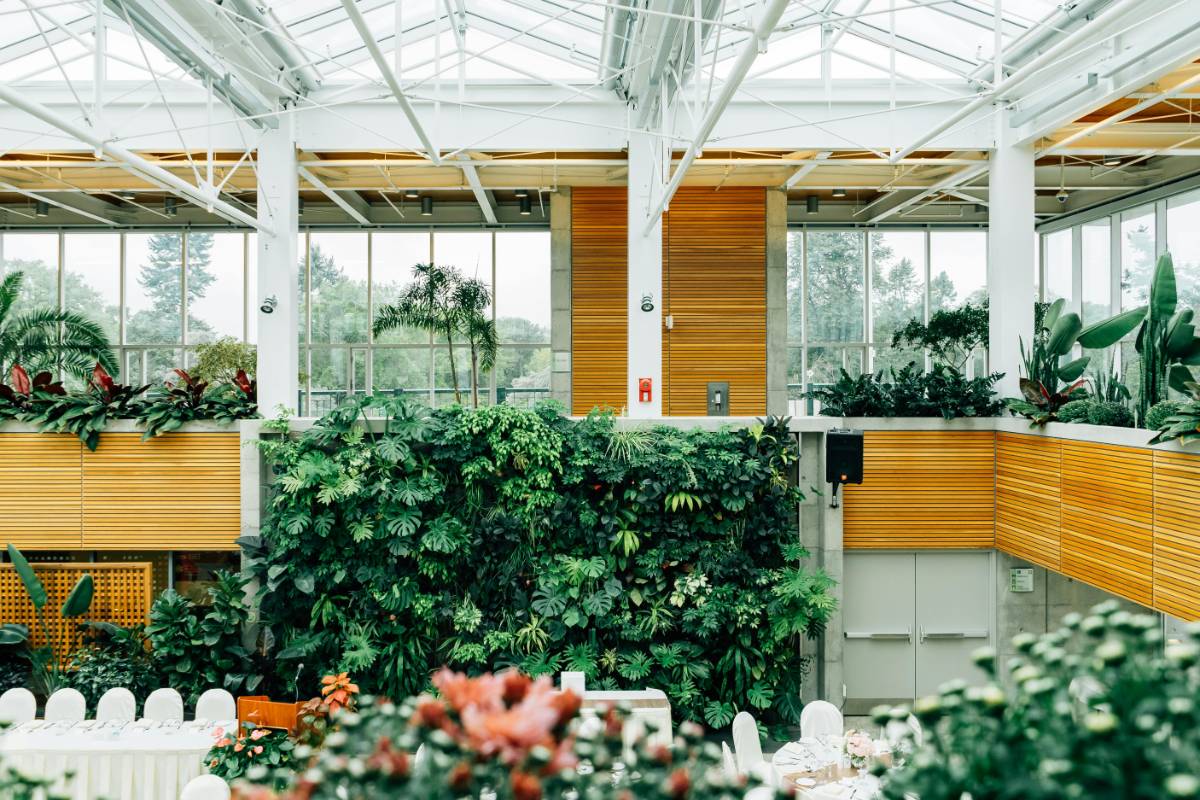
Integrating green spaces into your home design can improve air quality and foster a connection with nature. Vertical gardens, rooftop gardens, and indoor plants are excellent options for adding greenery to urban homes.
These features not only enhance the aesthetic appeal of your home but also contribute to better mental health and a more sustainable lifestyle by promoting biodiversity.
Focus on Passive Design
Passive design strategies use natural elements like sunlight, wind, and shading to regulate indoor temperatures and reduce energy consumption. Orient your home to maximize solar gain in the winter and minimize it in the summer.
Cross-ventilation and strategically placed shading devices, such as awnings or trees, can further enhance the comfort and energy efficiency of your home. Passive design reduces reliance on mechanical systems, making it a cost-effective and sustainable solution.
Invest in Smart Home Technology
Smart home systems allow you to monitor and control energy usage more efficiently. From programmable thermostats to motion-sensor lighting and energy-tracking apps, these technologies help optimize resource consumption.
Smart irrigation systems and automated shading solutions can further enhance sustainability by adapting to weather conditions and usage patterns, ensuring minimal waste of resources.
Reduce, Reuse, and Recycle
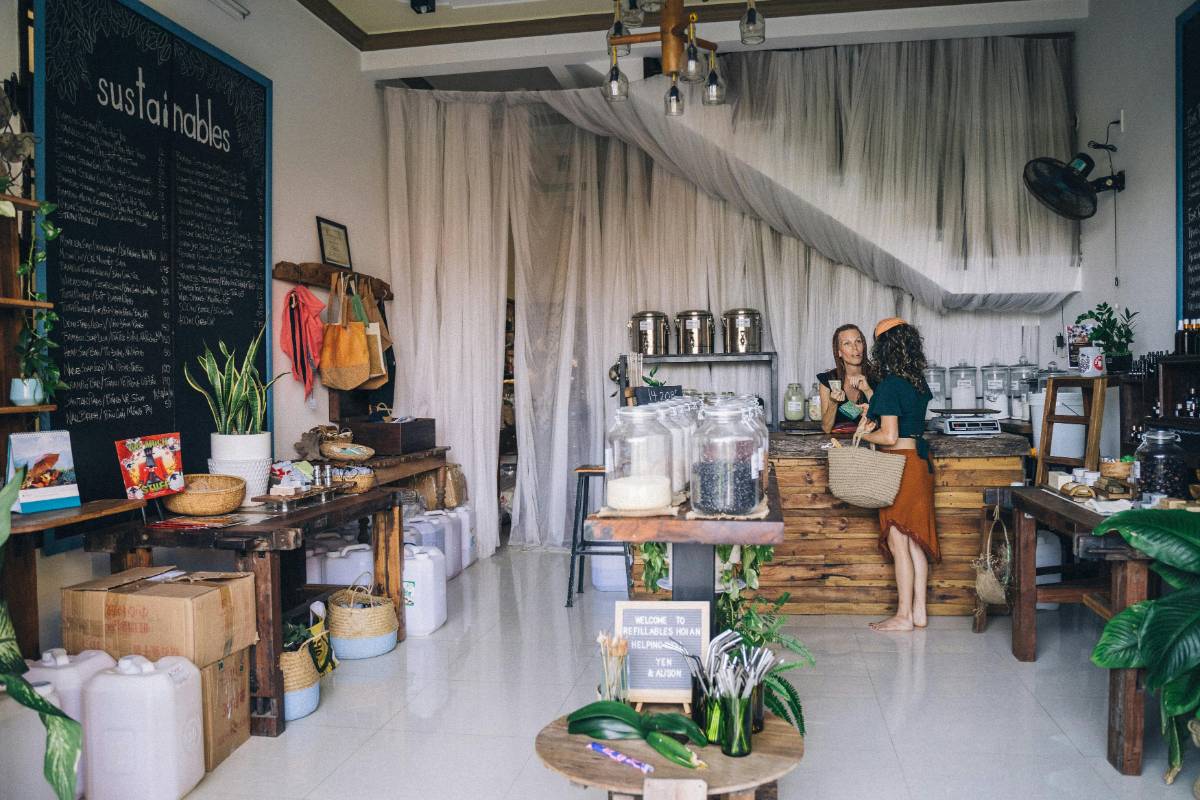
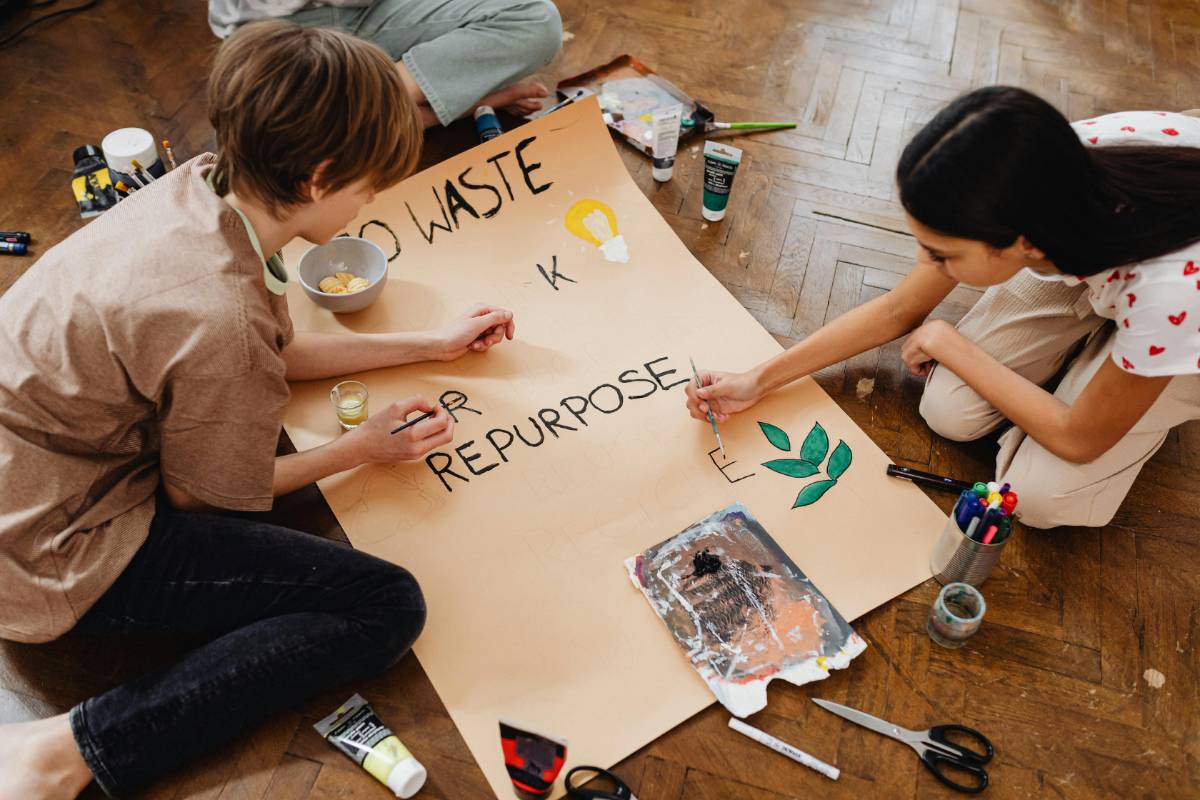
A sustainable home design embraces the principles of reducing, reusing, and recycling. Choose furniture and decor made from recycled or upcycled materials. Salvaged wood and vintage items add charm and reduce waste.
Implementing a home recycling system encourages proper waste management, contributing to a cleaner environment. Composting organic waste is another effective way to reduce landfill contributions while enriching your garden soil.
Design for Longevity
Sustainability is also about creating homes that stand the test of time. Invest in high-quality materials and timeless designs that minimize the need for frequent renovations or replacements.
Flexible and adaptable spaces that can accommodate changing needs are also essential for a future-proof home. Durability and versatility ensure that your home remains functional and environmentally friendly for years to come.
Conclusion
Designing an eco-conscious home is an investment in the planet and future generations. By prioritizing energy efficiency, sustainable materials, and water conservation, you can create a space that embodies sustainability and style. With thoughtful planning and innovation, eco-conscious homes are redefining what it means to live responsibly and luxuriously.